
Running a restaurant or café in Malaysia is more complex than many business owners expect. Beyond creating great food and delivering excellent service, restaurant owners must manage daily transactions, control costs, track inventory, handle tax compliance, and maintain accurate financial records. This is why accounting for restaurant Malaysia is no longer just about bookkeeping. It has become a critical part of long-term business growth and financial performance.
The restaurant industry operates on tight profit margins, high ingredient costs, fluctuating labor costs, and constant changes in customer demand. Without accurate financial data and real time insights, restaurant businesses often struggle with cash flow, pricing strategies, and decision-making. Cloud accounting has become the preferred accounting method for restaurants and cafés because it simplifies bookkeeping, improves financial accuracy, and supports better financial management.
In this guide, we explore how cloud accounting helps restaurants and cafés in Malaysia manage restaurant finances, improve profitability, and achieve long term success using modern accounting software such as Xero.

Accounting Software For Restaurants and Cafes
Choosing the right accounting software is one of the most important decisions a restaurant business can make. Traditional accounting processes rely heavily on manual tasks, spreadsheets, and disconnected systems. These methods often lead to manual errors, delayed financial reports, and poor visibility over cash flow and operating expenses.
Modern accounting software designed for the hospitality business provides instant access to financial records, automated calculations, and seamless integration with POS systems and third party systems. This allows restaurant owners to track expenses, manage supplier payments, monitor sales data, and generate accurate financial reports without waiting until month-end.
Cloud based accounting software also improves financial accuracy by reducing manual data entry and enabling real time reporting. With online accounting software like Xero, restaurant businesses can manage invoices, bill payments, payroll, and tax calculations from one central system. This makes a huge difference for small businesses and medium sized businesses operating in the fast-paced restaurant industry.
Best Accounting Software For Restaurant Owners
When evaluating the best accounting software, restaurant owners should focus on tools that solve real, day-to-day operational challenges in the restaurant industry. The best software goes beyond recording numbers. It supports daily transactions, inventory tracking, workforce management, and cash flow management while providing accurate financial data that business owners can rely on.
Xero accounting software is widely used in the hospitality business because it is designed to handle high-volume daily transactions without adding complexity. Sales data from POS systems flows directly into the accounting system, reducing manual data entry and minimizing manual errors. This improves financial accuracy and ensures that financial records are always up to date. For restaurant owners, this means no more waiting until month-end to understand financial performance.
One major reason Xero is considered the best accounting software for restaurant businesses is its real time reporting capability. Restaurant owners can access real time financial reports that show cash flow, expenses, profit margins, and operating expenses as they happen. For example, a café owner can quickly see if rising ingredient costs are affecting profit margins and adjust menu pricing before losses occur. This ability to act early helps improve profitability and protect cash flow.
Xero also improves cash flow management by providing clear visibility over invoices, bill payments, and supplier payments. Restaurant owners can track incoming and outgoing cash, monitor overdue invoices, and plan payments more accurately. This is especially important in restaurants where cash flow changes daily due to seasonal demand, promotions, or fluctuating labor costs.
For restaurants operating multiple locations, Xero provides instant access to consolidated financial data across outlets. Business owners can compare sales data, labor costs, and inventory value between locations to identify underperforming outlets or cost leaks. This supports data driven decisions and helps restaurant businesses grow sustainably.
Xero’s mobile apps add further value by allowing restaurant owners to access financial data anytime, anywhere. Whether reviewing financial reports after service hours or approving bill payments on the go, owners maintain full control over restaurant finances without being tied to the office.
Amis Asia helps restaurant businesses implement Xero accounting software correctly by ensuring seamless integration with POS systems and other business applications. With the right setup, restaurants can automate accounting processes, simplify bookkeeping, and save time on manual tasks. This structured implementation improves financial accuracy, strengthens tax compliance, and gives restaurant owners confidence in their numbers. By using Xero together with expert implementation from Amis Asia, restaurant owners gain a reliable accounting system that supports daily operations, improves financial management, and enables long-term business growth.
Cash flow Management For Restaurants and Cafes
Effective cash flow control is essential in restaurant businesses. Daily expenses such as ingredient costs, labor costs, rent, utilities, and supplier payments must be balanced carefully against sales income. Poor cash flow management can quickly lead to operational stress, even when sales appear strong.
Cloud accounting helps restaurants manage cash flow by providing real time tracking of income and expenses. With accurate financial records and real time data, restaurant owners can monitor daily cash flow, forecast future needs, and avoid cash shortages. Automated bank feeds and expense tracking tools allow business owners to see where money is going and take corrective action early.
Cash flow management becomes even more important as a business grows. Whether managing a single café or multiple restaurant locations, cloud systems provide the visibility needed to support business growth and long term success.
Financial Reports that Support Smarter Restaurant Decisions
Clear and timely financial reports are critical for making informed decisions in the restaurant industry. Without real time financial reports, restaurant owners rely on historical data that may no longer reflect current performance.
Cloud accounting systems generate financial statements, profit and loss reports, and balance summaries automatically. These reports help restaurant owners evaluate financial performance, compare periods, and identify trends in costs, revenue, and profit margins. Real time reporting also supports data driven decisions around pricing strategies, menu changes, and staffing levels.
Customizable reports allow restaurants to focus on what matters most, whether that is food costs, labor costs, or inventory value. Accurate reporting improves financial management and ensures the business stays compliant with tax requirements.
Inventory Management For Restaurants
Strong inventory management is essential for restaurants and cafés dealing with perishable goods. Poor inventory tracking leads to food waste, inaccurate inventory value, and reduced profit margins.
Cloud accounting systems integrated with POS systems allow restaurants to track inventory in real time. Sales data updates inventory levels automatically, helping restaurant owners understand ingredient usage and control food costs. Inventory management tools also support recipe costing, allowing businesses to calculate ingredient costs accurately and price menu items more effectively.
By improving inventory tracking, restaurant businesses can reduce waste, manage supplier relationships better, and improve profitability across daily operations.
Food Costs and Pricing Strategies
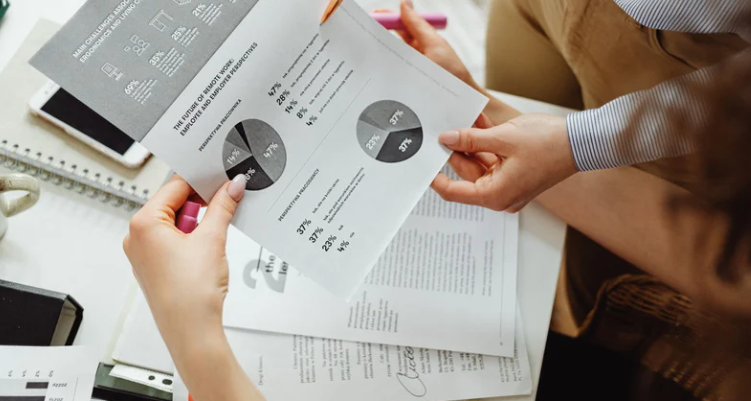
Managing food costs is one of the biggest challenges in the restaurant industry. Ingredient costs change often due to supplier pricing, seasonal availability, and import fluctuations. Without accurate tracking, profit margins can shrink quickly, even when sales volume looks healthy.
Cloud accounting helps restaurant owners calculate food costs more accurately by connecting sales data, inventory tracking, and recipe costing in one system. Instead of guessing or relying on spreadsheets, restaurant owners can see the real cost of each menu item based on actual ingredient usage and purchase prices.
For example, a café selling pasta dishes may notice that profit margins are falling despite strong daily transactions. With cloud accounting, the owner can review ingredient costs and discover that the price of dairy and imported cheese has increased. By comparing sales data and inventory value, the system highlights which menu items are most affected. The owner can then adjust menu prices slightly, revise portion sizes, or promote higher-margin menu items to protect profitability.
Another example is a restaurant that frequently changes suppliers to secure better pricing. Cloud accounting allows restaurant owners to track ingredient costs from different suppliers and measure how each change impacts profit margins. If switching suppliers improves food costs without affecting quality, the business can make informed decisions that support long-term success.
Accurate food cost calculation also improves pricing strategies during promotions. When offering discounts or set menus, restaurant owners can review historical data to ensure promotional prices still cover ingredient costs, labor costs, and operating expenses. This prevents underpricing and protects cash flow.
By using cloud accounting for food cost calculation, restaurant owners gain better control over pricing strategies, improve financial performance, and respond quickly to changes in supplier pricing or customer demand without relying on estimates or outdated data.ancial planning and helps businesses respond quickly to changes in supplier pricing or demand.
Financial Statements that Reflect True Restaurant Performance
Accurate financial statements are the foundation of financial accuracy and tax compliance. Restaurants need clear records of income, expenses, assets, and liabilities to understand their true financial position.
Cloud accounting systems ensure financial statements are always up to date, reducing reliance on manual records. Automated data capture and reconciliation improve accuracy and ensure that financial statements reflect real performance. This is especially important for business owners planning expansion, applying for financing, or preparing for audits.
Accurate financial statements improve confidence and support informed decisions at every stage of the business lifecycle.
Expense tracking For Restaurants and Cafes
Effective expense tracking helps restaurants control operating expenses and improve profitability. From labor costs and utilities to marketing and other expenses, every cost impacts cash flow and financial performance.
Cloud accounting simplifies expense tracking by automating data capture and categorizing expenses correctly. Restaurant owners can track expenses in real time, review spending patterns, and identify cost-saving opportunities. This level of visibility supports better budgeting and ensures expenses remain aligned with revenue.
Inventory Tracking Across Daily Transactions and Multiple Locations
Reliable inventory tracking becomes even more critical for restaurants operating multiple locations. Cloud accounting systems provide real time tracking across outlets, allowing restaurant owners to monitor inventory levels, ingredient costs, and usage patterns from a single dashboard instead of managing each outlet separately.
For example, a restaurant business with outlets in Penang, Kuala Lumpur, and Johor can use cloud-based inventory tracking to compare stock usage across locations. If the Penang outlet is using more ingredients for the same menu items compared to Kuala Lumpur, the owner can quickly identify issues such as over-portioning, waste, or supplier pricing differences. This level of visibility helps restaurant owners take corrective action before costs increase further.
When POS systems are integrated with cloud accounting software, every sale automatically updates inventory records in real time. Daily transactions from each outlet flow into the system without manual input, significantly reducing manual errors and ensuring accurate inventory value reporting. This is especially helpful for restaurant owners managing multiple locations who cannot be physically present at every outlet.
Centralised inventory tracking also helps with purchasing decisions. If the Johor outlet is running low on key ingredients while the Kuala Lumpur outlet has excess stock, restaurant owners can rebalance inventory or adjust future orders to avoid shortages or waste. This improves operational efficiency and supports better cash flow management across the entire business.
By using cloud accounting with POS integration, restaurant businesses operating in multiple locations can maintain consistency, reduce food waste, and ensure smooth operations while keeping full control over inventory across all outlets.
Manual Errors in Restaurant Accounting
Reliance on spreadsheets and manual data entry often leads to manual errors in restaurant accounting. These errors affect financial accuracy, tax calculations, and reporting quality.
Cloud accounting reduces manual errors by automating calculations, syncing data from POS systems, and streamlining accounting processes. Automated workflows improve accuracy and ensure compliance with tax regulations. This creates a more reliable accounting system that restaurant owners can trust.
Best Software for Cloud Accounting in the Restaurant Industry
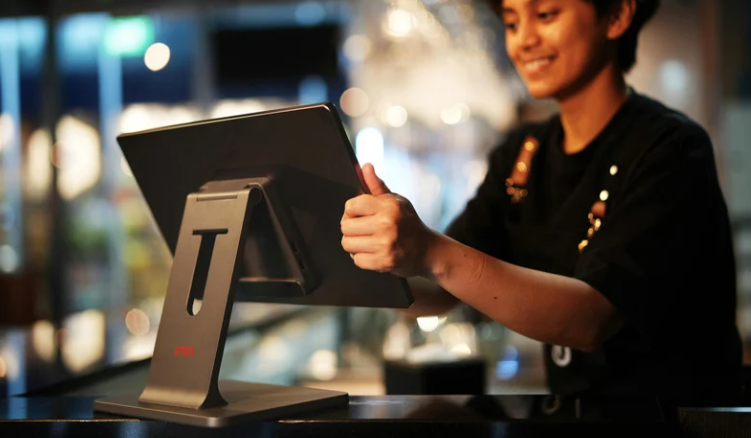
Choosing the best software for restaurant accounting means selecting tools that integrate seamlessly with daily operations, support real time reporting, and scale as the business grows. For restaurant owners, the software must do more than record invoices. It must handle high transaction volumes, support inventory management, improve cash flow visibility, and reduce manual errors across multiple outlets.
Xero accounting software stands out as a leading solution for the hospitality business because it is designed to handle fast-moving businesses with complex operations. With automated bank reconciliation, POS integration, and real time financial reports, Xero allows restaurant owners to monitor daily performance without waiting for month-end reports. Transactions are updated automatically, giving business owners instant access to accurate financial data.
For example, a mid-sized café chain processing hundreds of daily transactions can reduce bookkeeping time by more than 50 percent after switching from manual spreadsheets to Xero. Automated calculations and real time reporting eliminate duplicate data entry, while integrated POS systems ensure that sales data flows directly into accounting records. This improves financial accuracy and helps business owners focus on operations instead of paperwork.
Xero also supports detailed tracking of cash flow, operating expenses, labor costs, and supplier payments. Restaurant owners can generate customizable reports to compare financial performance by outlet, menu category, or time period. This data-driven approach enables informed decisions such as adjusting pricing strategies, controlling costs, or planning expansion to new locations.
Amis Asia specialises in cloud accounting for restaurants and cafés in Malaysia and plays a critical role in ensuring Xero is implemented correctly. Instead of a generic setup, Amis Asia configures Xero to match the restaurant’s accounting method, POS systems, and business processes. This includes integrating third party systems, setting up proper chart of accounts, and ensuring tax compliance with local requirements.
Another example, a restaurant operating multiple locations in Kuala Lumpur and Penang can work with Amis Asia to centralise reporting across outlets. With the right setup, management can view real time financial performance for each location, track inventory value accurately, and monitor profit margins without switching between systems. This level of visibility makes a huge difference in managing growth and maintaining financial control.
By combining Xero accounting software with expert implementation from Amis Asia, restaurant businesses gain a reliable, scalable cloud accounting solution that saves time, improves financial accuracy, and supports long term success in the competitive restaurant industry.
Conclusion
Cloud accounting has transformed accounting for restaurant Malaysia, giving restaurant owners the tools they need to manage cash flow, control costs, and improve profitability. By replacing manual tasks with automated, real time systems, restaurants gain accurate financial data, stronger financial reports, and better control over daily operations.
Amis Asia helps restaurants and cafés across Malaysia implement cloud accounting solutions using Xero accounting software, integrated with POS systems and tailored to the unique needs of the hospitality business. From expense tracking and inventory management to tax compliance and financial reporting, cloud accounting enables restaurant owners to focus on growth instead of paperwork.
Ready to improve your restaurant’s financial performance and simplify accounting? Speak with Amis Asia today to get started with cloud accounting for your restaurant or café.
FAQs
Why is accounting important for restaurants in Malaysia?
Accounting helps restaurant owners track cash flow, control food and labor costs, and maintain accurate financial records. Proper restaurant accounting also supports tax compliance, improves financial accuracy, and enables informed business decisions in a highly competitive industry.
What accounting software is best for restaurant businesses?
Cloud-based accounting software such as Xero is widely used by restaurant businesses because it integrates with POS systems, provides real time financial reports, and simplifies bookkeeping. It helps restaurant owners manage daily transactions, inventory, and cash flow efficiently.
Can cloud accounting support restaurants with multiple locations?
Yes. Cloud accounting allows restaurant owners to monitor financial performance, inventory levels, and sales data across multiple locations in real time. This makes it easier to manage operations in places like Kuala Lumpur, Penang, and Johor from one central system.