
Moving towards a paperless office guide is no longer just a sustainability initiative; it’s a strategic move for SMEs aiming to improve accounting efficiency. Businesses today are increasingly adopting paperless office strategies to stay competitive and efficient. Traditional accounting involves manual invoice handling, filing receipts, and time-consuming reconciliations. This can lead to human errors, delayed reporting, and inefficient accounting tasks. By digitizing workflows and leveraging cloud accounting software, businesses can streamline operations, reduce manual data entry, and ensure accurate financial data for compliance and reporting. Integrating business processes within these platforms enables seamless automation and data synchronization, making the transition smoother and more effective.
A paperless office for accounting allows SMEs to digitize invoices, receipts, payroll records, and other financial documents. With platforms like Amis Asia and Xero, companies can automate accounting tasks, generate reports in real-time, and maintain fully compliant records, all while reducing reliance on paper. This approach not only saves time but also enhances operational efficiency across multiple departments and locations.
Recently, there is an SME adopting a paperless office reduced its paper consumption by 80% within 6 months, saving RM 1,500/month on printing and storage. Simultaneously, invoice processing errors dropped from 4% to 0.5%.
The transition to a paperless office will involve moving from physical documentation to automated digital workflows, which can reduce operational costs by up to 80%. It is beneficial to start the transition with departments like Finance or HR that generate a lot of paper and can see a quick return on investment through digitization. Instead of scanning an entire archive at once, it is recommended to digitize only active or frequently accessed files first, using Optical Character Recognition (OCR) to ensure scans are text-searchable.

Introduction to Paperless Offices
A paperless office is a modern workspace where digital documents and electronic data replace traditional paper files, transforming how businesses manage their accounting and daily operations. At the heart of this transformation is cloud accounting software, which empowers SMEs to handle financial data, automate data entry, and streamline bank reconciliation, all without the clutter and inefficiency of paper-based processes. By leveraging cloud based accounting software, businesses can securely manage documents, access accounting data from anywhere, and ensure that sensitive financial information is protected with advanced data security measures.
Switching to cloud accounting not only reduces physical paperwork but also enhances efficiency by automating repetitive accounting tasks. With features like digital document management, automated invoicing, and real-time financial reporting, businesses can organize their financial data more effectively and respond quickly to changing business needs. Adopting cloud based accounting is the first step toward a more organized, secure, and productive office environment, allowing SMEs to save valuable time, reduce costs, and focus on growing their business.
Cloud Accounting Software to Streamline Your Accounting Tasks
Implementing cloud accounting software transforms how SMEs handle their finances. Unlike traditional accounting software, cloud platforms provide real-time data on transactions, accounts, and invoices, enabling accurate financial reports and faster decision-making. Businesses can manage expenses, sales, and payroll, while also automating recurring accounting tasks, saving significant administrative time.
With cloud platforms, SMEs can access data anytime and from multiple locations, allowing teams to collaborate without delays. A stable internet connection is required to access cloud accounting platforms and collaborate in real time. For example, a medium-sized business processing 1,000 monthly invoices can reduce processing time by 50–60% using cloud accounting software, improving both financial performance and compliance. Cloud accounting software like QuickBooks is designed to support businesses of all sizes, including medium sized businesses, and is scalable as they grow.
Accounting Software for Modern SMEs
Choosing the right accounting software is critical for creating a paperless office. Modern software integrates cloud accounting, bank reconciliation, and e-invoice capabilities while providing data security. These solutions are also user friendly, making them accessible even for those without extensive accounting expertise. With these tools, businesses can track expenses, manage invoices, and generate financial reports with just a few clicks, reducing manual errors and improving accuracy.
Amis Asia and Xero provide cloud-based solutions that support SMEs in digitizing their accounting data. QNE Cloud AI Accounting System is another option, specifically designed for micro, small, and medium businesses in Malaysia. QNE accounting software includes features like automated bank reconciliation and instant invoice delivery. Features like automation, instant insights, and reporting dashboards allow accountants and business owners to focus on strategic financial planning rather than paperwork.
Cloud Accounting for Real-Time Financial Insights and Better Decisions
Cloud accounting gives SMEs real-time visibility into business finances, allowing for better budget management and forecasting. Digital systems track transactions, accounts, and invoices across multiple departments, reducing errors and enabling informed decisions.
For instance, a small business can monitor cash flow, assess stock value, and adjust expenses in real time. This level of transparency allows SMEs to respond proactively to financial challenges, ensuring smoother operations and improved financial performance.
Accounting Data Management
Accurate accounting data is essential for compliance and informed decision-making. Digitizing financial documents reduces reliance on paper and manual data entry, minimizing human errors. Cloud platforms also enhance data security, ensuring sensitive business data remains protected while supporting real-time access for multiple users.
By centralizing accounting data, SMEs can reconcile bank accounts, track transactions, and maintain accurate financial information without the risk of lost or misplaced paper records.
Cloud Based Accounting Solution for Automating Accounting Tasks
A cloud based accounting solution allows SMEs to automate repetitive accounting tasks such as posting invoices, reconciling bank statements, and generating reports. A modern accounting system designed for Malaysian businesses ensures compliance with local regulations like SST and e-Invoice, automates financial processes, and integrates with AI tools for enhanced efficiency. A cloud application service provider hosts and manages these cloud accounting and finance solutions, enabling remote access, collaboration, and digital transformation for businesses. This reduces the burden on accounting teams and ensures ensuring compliance with LHDN e-invoice regulations.
For example, an SME processing hundreds of monthly invoices can save hours weekly by using cloud-based automation. With systems implemented by Amis Asia and integrated with Xero, businesses can create transactions, track expenses, and generate financial reports in a matter of minutes.
There is another SME handling payroll for 50 employees used to spend 10 hours monthly on calculations and manual entries. Using automated cloud workflows, payroll processing is now done in just 2 hours, freeing staff for budgeting and financial analysis.
Accounting Tasks Automation Save Time and Minimize Errors
Manual accounting tasks such as ledger updates, invoice reconciliation, and payroll processing are prone to errors. By implementing a paperless office with cloud accounting tools, SMEs can reduce manual errors, improve data accuracy, and streamline workflows.
Automated systems allow accountants to focus on financial planning, forecasting, and strategic decision-making. For example, automating bank reconciliation ensures that all transactions are matched accurately and reports are generated without delays.
Access Data Anytime Anywhere
Cloud platforms enable SMEs to access data anytime and from anywhere, providing flexibility for business owners and accountants. Multiple users can simultaneously view financial information, monitor transactions, and approve invoices, improving collaboration across different departments.
For example, managers can approve expenses and track cash flow while traveling, ensuring business operations remain uninterrupted and financial reporting stays accurate.
Data Security for SMEs
With sensitive business data stored digitally, data security is paramount. Cloud accounting systems provide encryption, secure backups, and access control, protecting accounting data and financial reports from unauthorized access or accidental loss.
Using Amis Asia’s cloud-based solutions integrated with Xero, SMEs can ensure that accounting tasks and transactions are secure, compliant, and auditable at any time.
Business Data Centralization
Centralizing business data in a digital system ensures that all departments access consistent and accurate information. This eliminates duplicate entries, reduces errors, and allows real-time monitoring of financial performance.
For instance, SMEs managing operations across multiple branches can centralize e-invoices, invoices, and payroll records in a single platform, improving collaboration and streamlining accounting workflows.
Data Entry Optimization
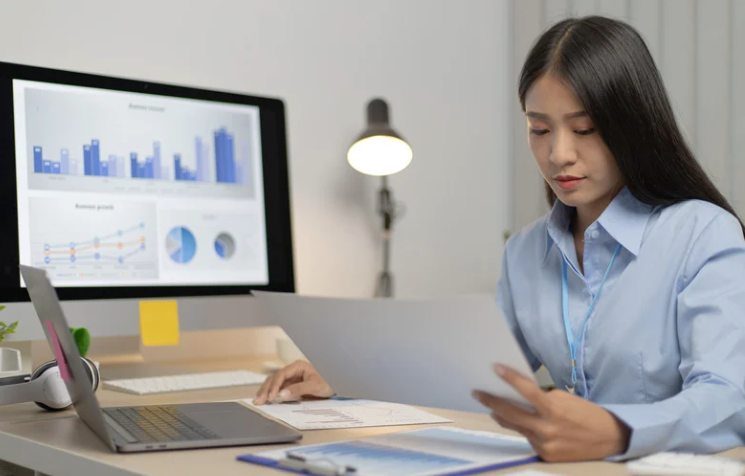
Digitizing data entry eliminates repetitive, manual tasks while improving accounting accuracy. Cloud accounting platforms automatically process invoices, reconcile accounts, and generate financial reports, reducing reliance on physical documentation.
A small business using cloud accounting software can reduce invoice processing time by over 50%, freeing accounting staff to focus on budget management and financial planning.
E-Invoice Digitization
Implementing e-invoices as part of a paperless office ensures SMEs are compliant with LHDN e-invoice guidelines. Digital invoices are easy to store, track, and reconcile within cloud accounting software, improving accounting efficiency and financial reporting accuracy.
For example, businesses issuing hundreds of monthly invoices can automate approval, validation, and posting, reducing errors and ensuring fully compliant records.
Another example, a small business issuing 500 invoices per month manually switched to digital e-invoices via a cloud-based accounting solution. This eliminated paper-based errors and reduced late payments by 20%, as clients received invoices instantly with automated follow-ups.
Payment Collection
Cloud accounting software offers powerful tools to simplify and accelerate payment collection for SMEs. With cloud based accounting software, businesses can create and send professional invoices directly to customers via email or secure online portals, eliminating the delays and errors associated with manual invoicing. Automated reminders and integrated online payment gateways make it easy for customers to pay instantly, improving cash flow and reducing the administrative workload for your team.
Cloud accounting software offers secure payment processing, ensuring that transactions are handled safely and efficiently. Businesses can track the status of invoices in real time, manage outstanding payments, and generate detailed reports on payment activity, all within a single cloud platform. By using cloud based accounting to manage payment collection, companies can enhance customer satisfaction, minimize late payments, and streamline their accounting processes, all while maintaining a clear and organized record of every transaction.
Business Finances Management
A paperless office enhances control over business finances, providing visibility into expenses, invoices, and transactions. Cloud accounting systems allow SMEs to monitor bank accounts, track payments, and generate financial reports in real time.
This approach helps SMEs maintain accurate financial information, reduce manual data entry, and make faster, more informed decisions about budgeting and growth.
Bank Reconciliation Automation
Bank reconciliation is critical for accurate accounting. Cloud accounting software allows SMEs to automate reconciliations, reducing manual errors and saving time. By syncing bank accounts directly with cloud accounting software, SMEs can maintain up-to-date records and ensure data accuracy across all financial statements.
Automation also enables businesses to generate instant insights into cash flow, improving decision-making and operational efficiency.
A company reconciling 3 bank accounts every month used to take 6 hours manually. With cloud accounting integration, bank reconciliation now completes in less than 1 hour, with real-time matching of transactions.
Cloud Based Accounting for Future-Proofing SME Accounting Systems
Adopting cloud based accounting ensures SMEs can scale efficiently while maintaining accurate accounting data and financial compliance. Cloud systems provide automation, secure storage, and real-time reporting, enabling SMEs to focus on growth instead of manual tasks.
Amis Asia, in partnership with Xero, helps SMEs implement cloud solutions tailored to their accounting workflows, ensuring a smooth transition to a paperless office while improving efficiency, accuracy, and financial performance.
Accounting Software Integration
Integrating cloud accounting software with other business applications is a game-changer for SMEs seeking greater efficiency and accuracy. Cloud accounting platforms can seamlessly connect with e-commerce systems, CRM tools, and POS solutions, allowing data to flow automatically between platforms. This integration eliminates the need for manual data entry, reducing the risk of human errors and ensuring that your business finances are always up to date.
For example, when cloud accounting software is linked to an e-commerce platform, sales data, inventory updates, and customer information are automatically synced, providing a real-time view of your financial performance. This not only improves data security by centralizing sensitive information but also gives decision makers greater visibility into sales trends and business operations. By integrating accounting software across your business, you can boost efficiency, enhance security, and make more informed decisions with accurate, up-to-date data.
Customer Support and Training
To help businesses maximize the benefits of cloud accounting software, leading providers offer comprehensive customer support and training resources. Whether you’re new to cloud accounting or looking to optimize your current setup, you can access a range of support options, including online tutorials, live webinars, phone and email assistance, and even on-site training sessions. These resources are designed to help users quickly learn how to navigate the software, generate financial reports, and manage critical documents with confidence.
Effective customer support and training ensure that your team can use cloud accounting software efficiently, reducing the risk of errors and downtime. With expert guidance, businesses can streamline their accounting processes, improve the accuracy of financial reports, and maintain compliance with industry standards. By investing in ongoing training and support, SMEs can fully leverage the power of cloud accounting to drive efficiency and achieve their financial goals.
Best Practices for Cloud Accounting
To fully realize the advantages of cloud accounting software, SMEs should adopt best practices for implementation and ongoing use. Start by ensuring that all financial data is accurate and regularly updated, and make it a habit to review and reconcile financial statements frequently. Implement strong security protocols, such as multi-factor authentication and restricted access, to protect sensitive financial data and ensure compliance with regulations like LHDN e-invoice requirements.
It’s also essential to provide thorough training for all users of your cloud accounting software, ensuring that only authorized personnel can access and manage financial information. By following these best practices, businesses can minimize manual errors, improve financial performance, and make data-driven decisions with real time data. Staying proactive with cloud accounting not only enhances efficiency and security but also ensures your business remains fully compliant and ready for future growth.
Conclusion
A paperless office focused on accounting allows SMEs to reduce paper use, automate accounting tasks, and improve financial reporting accuracy. By implementing cloud accounting software, cloud based accounting solutions, and e-invoice systems, businesses can streamline workflows, minimize manual errors, and gain real-time access to financial data.
Amis Asia, a leading cloud accounting solution provider in Malaysia and trusted Xero Partner, helps SMEs transition to paperless accounting operations. Their solutions enable businesses to automate accounting tasks, manage business finances, and maintain fully compliant records with ease. Take the first step toward a paperless accounting office, speak with Amis Asia today and transform your accounting workflows for a more efficient, accurate, and compliant future.
FAQs
What is a paperless office and why should SMEs adopt it?
A paperless office refers to a workspace where physical paper documents are replaced with digital records, workflows, and cloud storage. SMEs benefit by reducing costs for printing, storage, and manual processing. Integrating cloud accounting software and digital document workflows improves efficiency, ensures accurate accounting data, and allows access to documents anytime, from anywhere.
How does cloud accounting software help create a paperless office?
Cloud accounting software eliminates the need for physical ledgers and spreadsheets by storing financial data digitally. It enables SMEs to manage invoices, transactions, bank reconciliation, and reporting without paper. Features like scan to cloud and automated workflows reduce manual data entry and human errors, while providing real time insights for better decision-making.
How secure is digital data in a paperless office?
Digital data in a paperless office is highly secure when using cloud-based platforms. Features like encryption, multi-factor authentication, and secure backups protect sensitive business data. SMEs can also manage user permissions, ensuring that only authorized personnel can access financial information and accounting data, mitigating risks associated with physical document loss or theft.