
Inventory Accounting Software Malaysia: A Guide for Retailers
Inventory is one of the largest investments in a retail business and one of the easiest ways to lose money without realising it. A company’s inventory is a key business asset, and managing it well is crucial for long-term success. Effective inventory management helps prevent the many expenses and potential perils involved in carrying excess inventory.
For many Malaysian retailers, inventory problems do not appear overnight. Sales continue, shelves stay full, and suppliers are paid on time. On the surface, the business looks healthy. But behind the scenes, warning signs start to build cash flow is always tight despite steady sales, profits in the accounts do not reflect the effort put into the business, stock levels keep increasing, but margins keep shrinking, year-end accounts require constant adjustments and explanations. These are common inventory challenges faced by Malaysian retailers.
These are not sales problems. They are inventory accounting problems.
When inventory is not tracked and valued correctly, business owners make decisions based on inaccurate numbers. Cash gets trapped in slow-moving stock, profit reports become unreliable, and growth becomes risky instead of sustainable. Inventory management is important for businesses of any size to ensure they have the right products available to meet customer demand.
This guide explains how inventory accounting software in Malaysia helps retailers gain control over stock, cash flow, and profitability. Choosing and maintaining a consistent accounting method for inventory valuation is essential for accurate financial reporting and compliance.
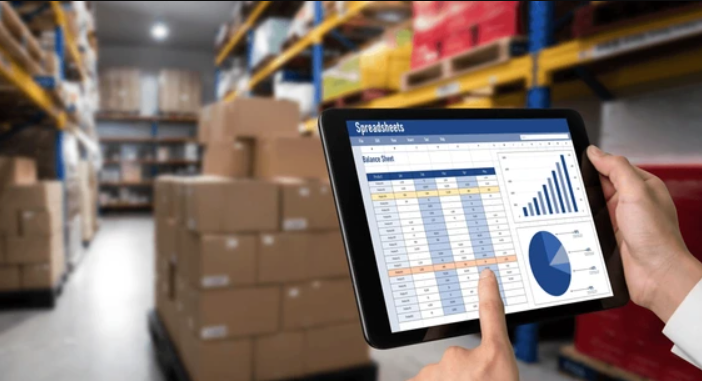
What Is Inventory Accounting Software?
Inventory accounting software is a type of accounting software that tracks inventory movement and automatically records its financial impact in your accounting records.
Unlike basic inventory management software that only tracks quantities, inventory accounting software connects inventory data directly to financial reports. Every purchase and sale updates stock quantity, inventory value, cost of goods sold (COGS), and gross profit in real time. The software also helps organize and manage all aspects of a business’s financial information, including financial statements such as the income statement, balance sheet, and cash flow statement, for better financial oversight.
For retailers in Malaysia, inventory accounting software ensures that inventory is recorded correctly on the balance sheet as an asset when purchased. Inventory only becomes an expense when it is sold, based on the selected cost method such as average cost. This prevents overstated expenses, inaccurate profit figures, and cash flow confusion.
Inventory accounting software helps retailers:
- Know exactly how much stock they have at any time
- Understand how much cash is tied up in inventory
- Track inventory accuracy across SKUs and locations
- See true profit margins by product
- Make better purchasing and pricing decisions
- Track and manage purchase orders to streamline procurement and stock control
This alignment between inventory management and accounting is critical for retail businesses with high stock volume and thin margins. Essential features for inventory accounting software include real-time tracking, multi-location stock management, and e-commerce integration.
Inventory Management vs Inventory Accounting Software
Many retailers confuse inventory management systems with inventory accounting software, but they serve different purposes.
An inventory management system focuses on operational control. It tracks stock levels, product movement, reorder points, and inventory tracking across locations. There are different types of inventory systems, such as JIT (just-in-time) and MRP (Materials Requirement Planning), as well as various inventory tracking methods like manual, automated, and periodic methods. Choosing the right inventory system and tracking method is important to fit different business needs and optimize supply chain efficiency. This supports day-to-day retail operations such as preventing stockouts and managing warehouse or store inventory.
Inventory accounting software goes a step further. It links inventory movement to financial outcomes. It records inventory value on the balance sheet, calculates cost of goods sold automatically, and ensures profit and loss reports reflect actual business performance.
In retail, both systems must work together. Inventory management software controls physical stock. Inventory accounting software ensures financial accuracy. Without proper integration, retailers may have stock data that looks correct operationally but produces misleading financial reports. Manual inventory tracking methods can become inefficient as businesses grow due to their labor-intensive nature.
Why Inventory Accounting Is a Serious Issue for Malaysian Retailers
In Malaysia, many SMEs still rely on spreadsheets, manual stock counts, standalone POS systems, and month-end adjustments. This approach may work for very small businesses, but it breaks down quickly as inventory volume increases. Managing physical inventory becomes increasingly challenging, and infrequent physical inventory counts can lead to significant discrepancies and operational risks.
A typical Malaysian retailer may hold RM80,000 to RM300,000 worth of stock across hundreds of SKUs while selling through physical stores, Shopee, Lazada, and social media channels. Without proper inventory accounting software, the business owner does not know which products are profitable, how much cash is locked in inventory, or whether the business is truly making money. Tracking beginning inventory and ending inventory is essential for accurate financial reporting and understanding the true cost of goods sold.
When inventory accounting is weak, financial reports become unreliable, inventory accuracy declines, and inventory control is lost. Accurate recordkeeping tracks inventory at every step, from arrival to storage, handling, and delivery, helping identify discrepancies.

4 Inventory Problems Faced by Malaysian SMEs
1. Cash Flow Locked in Slow-Moving Stock
Retailers often over-purchase inventory to avoid stockouts. While this feels safe, it creates a hidden cash flow problem.
Without proper inventory tracking systems, cash becomes trapped on shelves instead of in the bank. Carrying costs such as storage, insurance, and obsolescence increase, and older stock becomes harder to sell. Optimizing storage space is crucial to reduce these costs and improve overall inventory control. For some businesses, inventory includes raw materials as well as finished goods, making effective management even more important.
For example, a fashion retailer in Selangor discovered that 30% of its inventory had not sold in over nine months. Nearly RM120,000 was locked in slow-moving stock. This cash could have been used for marketing, new collections, or business expansion.
In Malaysia, it is common for retailers in fashion, hardware, and consumer goods to carry 6–12 months of excess inventory, far beyond healthy levels. Maintaining an organized storage area ensures that older inventory is used first to prevent spoilage or obsolescence.
2. Inaccurate Profit and Loss Reports
When inventory accounting is incorrect, profit reports no longer reflect reality.
Common mistakes include recording inventory purchases as expenses, estimating COGS manually, and applying inconsistent cost methods. The three most popular methods for inventory cost tracking are FIFO, LIFO, and weighted average. FIFO (first in, first out) assumes the oldest inventory items are sold first, LIFO (last in, first out) assumes the most recently purchased inventory items are sold first, and weighted average costing assigns an average cost to all inventory items. The lifo costing method, in particular, is an inventory valuation technique where the most recent stock added is assumed to be sold first, impacting the calculation of cost of goods sold and ending inventory based on the latest purchase prices. As a result, gross profit may be overstated or understated.
For example, a hardware retailer recorded all inventory purchases as expenses. On paper, profits looked low, so selling prices were increased. In reality, margins were already healthy, but poor inventory accounting distorted the reports and led to poor pricing decisions.
Inventory accounting software solves this by applying a consistent cost method and recognising expenses only when inventory is sold.
3. Stock Differences and Shrinkage
Manual inventory tracking increases the risk of theft, damage, and recording errors. Without proper inventory tracking systems, these losses remain hidden. Barcode scanning can streamline stock-taking and significantly increase accuracy in inventory management by reducing human error.
A minimart that conducts stock counts only once a year may discover large discrepancies but cannot trace the cause. Regular cycle counts help businesses identify and rectify discrepancies in inventory records. Losses are written off as adjustments, reducing profit without explanation.
Inventory accounting software improves inventory accuracy by highlighting discrepancies early and strengthening inventory control. To maintain trust in their tracking systems over time, businesses rely on regular cycle counts and consistent record-keeping.
4. Multiple Sales Channels, No Single Stock View
Many Malaysian retailers sell through physical stores, Shopee, Lazada, WhatsApp, and Instagram. Without integrated inventory management systems, stock levels differ across platforms.
For example, an item sold online may not be deducted from in-store inventory, leading to overselling, refunds, and customer dissatisfaction.
Integrated inventory accounting software creates a single, accurate stock view across all channels. These systems can also track sales across every platform, providing better inventory control and sales analytics. Advanced automated systems use technologies like barcodes and RFID to capture inventory data in real time, ensuring updates are accurate and immediate.

Benefits of Inventory Accounting Systems
Implementing an inventory accounting system brings significant advantages to retail businesses, particularly for SMEs with multiple products or sales channels. One of the most important benefits is accurate financial reporting. By automatically linking inventory movements to accounting records, retailers can trust that their profit and loss statements, cost of goods sold (COGS), and balance sheets reflect the true value of their business. This accuracy ensures that decisions on pricing, purchasing, and growth are based on reliable numbers, not estimates.
With real-time inventory accounting, retailers gain full visibility into cash tied up in stock. They can quickly identify slow-moving items, adjust orders, and free up working capital. Accurate inventory valuation also ensures that profits are calculated correctly, reducing the risk of overstatement or understatement that can mislead business planning.
Inventory accounting systems also help businesses manage carrying costs efficiently. By knowing exactly how much inventory is on hand and its financial impact, retailers can avoid overstocking, reduce storage costs, and prevent losses from obsolescence or shrinkage. This financial control directly improves cash flow and contributes to a healthier bottom line.
Finally, inventory accounting supports better strategic planning. Retailers can analyse product-level profitability, determine the financial impact of promotions, and make data-driven decisions about which items to reorder or phase out. Overall, inventory accounting turns stock data into actionable financial insight, helping Malaysian retailers operate more efficiently, increase profits, and reduce risks.
How Inventory Accounting Software Works in Retail Stores
Inventory management software works by connecting stock movement with financial records in real time. For retailers, this means every inventory activity automatically affects the accounts without manual calculations. In businesses that manufacture goods, the production process including stages like work-in-progress and assembly. It is also tracked as part of inventory movement. Here is how it works step by step in a retail environment.
1. Inventory Is Recorded as an Asset
When stock is purchased, it is recorded as inventory on the balance sheet. This reflects that cash has been converted into an asset that will generate future revenue.
2. Sales Automatically Update Stock Levels
When a sale occurs, inventory quantity and value decrease, and cost of goods sold is recorded automatically.
For example, selling a product for RM100 with a cost of RM60 reduces inventory by one unit, records RM60 as COGS, and shows RM40 gross profit.
3. Cost of Goods Sold Is Calculated Accurately
Inventory accounting software applies a consistent cost method such as average cost. This prevents estimated margins, manual adjustments, and sudden profit fluctuations.
4. Inventory Valuation Updates in Real Time
Retailers can view inventory value, inventory by SKU, and cash tied up in stock at any time. This supports cash flow planning and purchasing decisions.
5. Financial Reports Reflect Reality
Profit and loss reports and balance sheets remain accurate because inventory data and accounting data are aligned.
Economic Order Quantity and Costing
Economic Order Quantity (EOQ) is a proven inventory management method that helps retailers determine the most cost-effective quantity of inventory to order at one time. By calculating EOQ, businesses can strike the right balance between ordering costs (such as delivery and processing fees) and holding costs (like storage and insurance), ultimately minimizing total inventory costs.
The EOQ formula takes into account factors such as average customer demand, the cost of placing an order, and the cost of holding inventory. This approach helps retailers maintain optimal inventory levels, reducing the risk of stockouts while avoiding the pitfalls of overstocking. EOQ can be especially powerful when combined with just-in-time (JIT) inventory management, which focuses on receiving goods only as they are needed in the production or sales process.
For accurate inventory valuation, the weighted average costing method is often used alongside EOQ. This method calculates the average cost of inventory items based on their purchase prices and quantities, providing a fair and consistent way to value stock for accounting purposes. By leveraging EOQ and weighted average costing, retailers can manage inventory items more efficiently, control inventory costs, and support a more agile and profitable business.
Carrying Costs and Inventory Optimization
Carrying costs, or holding costs, are a critical consideration for any retailer managing inventory. These costs include expenses such as warehousing, insurance, utilities, and even the risk of obsolescence or spoilage. High carrying costs can quickly erode profit margins, especially if inventory levels are not carefully managed.
To optimize inventory and minimize carrying costs, retailers can use inventory management software to track inventory levels in real time, forecast demand, and streamline supply chain operations. By analyzing inventory data, businesses can identify slow-moving items, adjust reorder points, and reduce unnecessary stock, freeing up valuable capital for other business needs.
Inventory optimization not only reduces waste and lowers costs but also enhances customer satisfaction by ensuring that the right products are available when needed. Advanced management software can generate reports on carrying costs, highlight opportunities for improvement, and support data-driven decision-making. By focusing on inventory optimization, retailers can improve profitability, reduce waste, and gain a competitive edge in the market.
Inventory Management and Decision-Making
Effective inventory management is at the heart of sound business decision-making for retailers. By leveraging inventory management systems and analyzing up-to-date inventory data, businesses can make informed choices about production schedules, pricing strategies, and when to reorder stock. This ensures that inventory levels are always aligned with actual customer demand, reducing the risk of lost sales or excess inventory.
Inventory data also provides valuable insights into customer buying patterns and seasonal trends, enabling retailers to adjust their supply chain and marketing efforts proactively. Collaboration between sales, marketing, and logistics teams is essential to ensure that inventory management supports broader business objectives and helps meet customer demand efficiently.
By integrating inventory management into the decision-making process, retailers can respond quickly to market changes, optimize stock availability, and drive long-term growth. Data-driven inventory management not only improves operational efficiency but also supports profitability and customer satisfaction.
Key Features Retailers Should Look For in Inventory Management Software
Not all inventory software is suitable for retail businesses. Retailers should focus on features that support high volume, multiple products, and fast movement. Identifying specific inventory challenges is crucial, as it helps retailers choose inventory accounting software Malaysia that offers the right features to address their unique needs.
1. Real-Time Inventory Tracking
Retailers need instant visibility on stock on hand, stock committed to sales, reorder levels, real-time tracking prevents stockouts and over-purchasing.
2. Automatic Cost of Goods Sold (COGS)
The software should calculate COGS automatically, reflect actual purchase costs and update profit margins instantly. This is essential for pricing and profitability.
3. Inventory Valuation Reports
Retailers should be able to see total inventory value, inventory by category or SKU, changes in inventory over time. This helps with cash flow planning and financial reporting.
4. POS and Sales Channel Integration
Retailers often sell through physical outlets, online marketplaces, social media channels. Inventory accounting software must integrate with POS systems, eCommerce platforms and invoicing tools. This ensures one accurate stock view across all channels.
5. Multi-Location Inventory Management
For retailers with more than one outlet. Stock must be tracked by location. Transfers must be recorded correctly. Central reporting must remain accurate. This supports scalable growth.
6. Cloud-Based Access
Cloud software allows access from anywhere, real-time collaboration and secure data storage. This is especially useful for Malaysian SMEs with multiple branches or remote teams.
7. Scalability and Integration Options
As retailers grow, software should support higher transaction volume, integrate with advanced inventory tools and handle more SKUs without performance issues.
Why Xero Is a Good Choice for Retail Inventory Accounting
One of the most popular and business-flexible solutions for Malaysian SMEs is Xero, a cloud accounting platform that includes inventory accounting capabilities and integrates with point-of-sale (POS) and retail systems.
Xero is widely used by retailers across Malaysia from neighbourhood stores to multi-outlet fashion shops because it combines accounting power with inventory visibility and works in the cloud, so you can access your data anytime, anywhere.
There is a fashion retailer operating in Kuala Lumpur with monthly sales of RM180,000 and an average inventory holding of RM300,000. Before using Xero properly, inventory purchases were recorded as expenses, cost of goods sold was estimated manually, and profit reports looked healthy on paper. Despite this, the business constantly struggled with cash flow and unexpected supplier payment pressure.
After implementing a proper inventory setup in Xero, stock purchases were recorded as inventory assets, and cost of goods sold was recognised only when items were sold. The profit and loss statement now reflected actual business performance rather than assumptions. While reported net profit decreased slightly, the figures were accurate and actionable. The retailer discovered that a large portion of cash was tied up in slow-moving stock and that a small number of SKUs were generating most of the sales.
Using Xero’s inventory and reporting data, the business cleared old stock through targeted promotions and reduced over-purchasing. Within a few months, the retailer freed up significant cash, improved stock turnover, and made better purchasing decisions based on real sales data instead of intuition.
The Future of Inventory Accounting for Retailers
The future of inventory accounting is being shaped by advanced technology, real-time financial integration, and the growing need for accurate business insights. For Malaysian retailers, traditional manual accounting or standalone spreadsheets will no longer be sufficient as businesses grow and sales channels multiply. Modern inventory accounting systems now combine financial reporting, inventory tracking, and automated accounting in one platform, helping retailers make faster, smarter decisions.
Cloud-based inventory accounting software, like Xero, allows business owners to access real-time financial and inventory data anytime, anywhere. This means retailers can instantly see how much cash is tied up in stock, understand true product profitability, and make decisions based on accurate cost of goods sold (COGS) rather than estimates. The integration of accounting software with POS and eCommerce systems ensures that all inventory transactions automatically update financial records, reducing errors and improving inventory accuracy.
Artificial intelligence (AI) and machine learning (ML) are also starting to impact inventory accounting. These tools can predict future sales, optimise stock levels, and calculate the financial impact of purchasing decisions before they are made. By applying predictive insights to accounting data, retailers can reduce carrying costs, avoid overstocking, and improve cash flow.
Moreover, real-time inventory valuation and reporting will continue to evolve. Retailers can monitor their balance sheet with up-to-date inventory assets, track slow-moving items, and manage economic order quantity (EOQ) more efficiently. These capabilities give Malaysian SMEs a competitive advantage by ensuring their inventory is not just physically controlled but also financially optimised.
In the coming years, retailers who embrace automated, integrated inventory accounting systems will benefit from more reliable financial data, stronger cash flow management, and faster strategic decisions. For SMEs, this means fewer surprises at month-end, lower risk of errors, and better alignment between stock levels and business performance.
Conclusion
For retail businesses, inventory is more than just stock, it directly impacts cash flow, profitability, and long-term business stability. Without proper inventory accounting, retailers risk making decisions based on inaccurate numbers, holding excessive stock, and losing visibility over real business performance.
This is why many Malaysian SMEs are moving towards cloud-based inventory accounting solutions like Xero. With its ability to connect inventory tracking, cost of goods sold, and financial reporting in real time, Xero helps retailers gain clearer control over their operations. Business owners can monitor stock value, understand true profit margins, and make smarter purchasing decisions with confidence.
However, the success of inventory accounting does not depend on software alone. Proper setup, integration with sales systems, and ongoing financial insight are equally important. This is where AMIS Asia supports Malaysian retailers. By combining Xero implementation expertise with practical CFO advisory services, AMIS Asia helps businesses structure inventory accounting correctly, interpret financial data clearly, and use reporting insights to improve cash flow and profitability.
Whether you are managing a single retail outlet or expanding across multiple sales channels, AMIS Asia ensures that Xero works as a complete business control system, not just an accounting tool. With the right guidance and technology in place, retailers can reduce inventory risks, improve financial clarity, and scale their business with confidence.
If you are looking to improve your inventory accounting and gain better control over your retail finances, partnering with AMIS Asia, can be a strategic step towards sustainable growth.
FAQs
1. Why is inventory accounting important?
Inventory accounting is important because it tracks stock value and cost, ensures accurate profit reporting, and prevents cash from being tied up in slow-moving products. Proper inventory accounting helps retailers make informed purchasing and pricing decisions, improve cash flow, and reduce losses from errors or theft.
2. What is the purpose of an inventory accounting software?
The purpose of inventory accounting software is to connect inventory management with financial records. It automatically records purchases, sales, stock levels, and cost of goods sold (COGS), so retailers have real-time visibility of inventory value, cash flow, and profitability.
3. Why is inventory so important for retail companies?
Inventory is crucial for retail companies because it represents one of the largest investments and directly affects cash flow, profit, and customer satisfaction. Accurate inventory control ensures products are available when customers buy, prevents overstocking, and supports sustainable business growth.