
Small Business Accounting Guide for Malaysian Entrepreneurs
Starting a business in Malaysia is exciting but the moment invoices, expenses, and bank statements start piling up, many entrepreneurs realise they were not prepared for the financial side of running a company.
The good news? You do not need to be an accountant to stay on top of your business finances. What you need is a clear, step-by-step small business accounting guide built for the Malaysian market, covering the right tools, habits, and systems that grow with your business.
This guide covers everything from opening your first business bank account to reading your cash flow statement like a pro. Whether you are just registering your company or already juggling clients, this is your starting point.

Introduction to Accounting for Small Businesses
Accounting is the backbone of every successful small business. For Malaysian entrepreneurs, understanding accounting basics is not just about compliance, it’s about gaining financial clarity and making informed decisions that drive business growth. By tracking income and expenses, managing cash flow, and maintaining accurate financial records, small business owners can see exactly where their money is going and how their business is performing.
Modern accounting software makes it easier than ever to streamline financial processes, automate routine tasks, and ensure your business stays compliant with Malaysian tax laws. With the right tools, you can generate real-time financial reports, monitor your business’s financial health, and spot opportunities or risks early. Good financial management helps you avoid costly mistakes, prepare for tax season, and plan strategically for the future.
Whether you’re just starting out or looking to improve your existing systems, mastering accounting basics will help your small business thrive. By prioritising accurate bookkeeping and leveraging technology, you’ll be better equipped to manage your finances, reduce errors, and make confident, data-driven decisions.
Why Accounting Matters More Than You Think for Small Businesses
Most Malaysian entrepreneurs treat accounting as a compliance task, something you deal with when tax season arrives. This mindset is one of the most expensive mistakes a new business owner can make.
Your accounts are the financial story of your business. They reveal whether you are actually profitable, how much money you owe suppliers, how much money is owed to you, and whether your business can survive the next three months without a cash crisis.
For small businesses in Malaysia, strong accounting habits from day one mean:
- You qualify for bank loans and government grants more easily
- You stay compliant with SSM, LHDN, and e-invoicing requirements
- You make faster, smarter decisions based on real numbers
- You avoid penalties from late or inaccurate tax filings
Think of accounting not as admin work, but as a live dashboard for your business health. Understanding key accounting terms and financial management practices helps you run your business effectively, make informed decisions, and improve overall performance. Monitoring key financial metrics gives you valuable insights into your business’s financial health. Regular financial planning and seeking strategic advice can help your small business achieve long-term growth and stability.
Step 1: Separate Your Personal Finances From Your Business Immediately
This is the single most important step in new business bookkeeping and the one most entrepreneurs skip.
Open a Dedicated Business Bank Account
Your business bank account must be completely separate from your personal finances. Mixing the two creates an accounting nightmare: you will struggle to identify actual business expenses, reconciliation becomes messy, and you put your personal assets at risk if the business faces legal issues. According to the Economic Entity Assumption, personal and business finances should be strictly separated to prevent legal complications and ensure accurate financial reporting. Mixing personal expenses with business transactions not only complicates accounting but can also lead to legal and tax issues.
In Malaysia, popular business banking options for SMEs include Maybank SME First, CIMB Business, and RHB Business Current Account. Open your bank account the moment your company is registered with SSM, do not wait.
A dedicated business account also makes bank reconciliation in your accounting software significantly faster and more accurate. Tools like Xero can automatically import your bank transactions daily, eliminating manual data entry entirely.
If you cannot tell within 30 seconds whether a transaction belongs to your business or personal life, your finances are too mixed.
Step 2: Choose the Right Accounting Method for Your Business
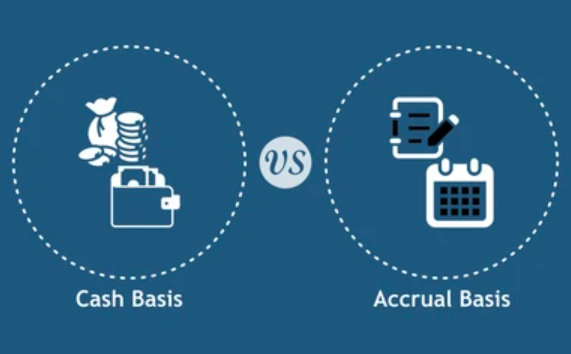
Before recording a single transaction, you need to decide how you will recognise income and expenses. There are two main approaches:
Cash Basis Accounting
Also known as cash accounting, this is a simple bookkeeping method that records income and expenses only when money is received or paid. The Cash Basis accounting method is simpler for very small businesses or sole proprietors with straightforward transactions.
Accrual Basis Accounting
The Accrual Basis accounting method records transactions when they occur, regardless of when cash is received or paid. This provides a more accurate long-term profitability picture and gives a clearer view of your financial position. It is required for Sdn Bhd companies preparing full financial statements.
The choice of accounting method affects how your business’s income and expenses are reported. Businesses should consider their size and the complexity of their transactions when deciding which method to use.
For most Malaysian small businesses operating as Sdn Bhd or LLP, accrual accounting is the standard and cloud accounting tools like Xero handle this automatically.
Step 3: Build Your Chart of Accounts
The chart of accounts is the backbone of your entire accounting system. It is a structured list of every financial category your business uses, organised so that every transaction has a proper home. Maintaining organized accounting records is essential to ensure clarity and compliance in your financial management.
What a Chart of Accounts Includes
A typical chart of accounts for a Malaysian small business covers five main categories:
| Category | Examples |
| Assets | Cash, bank balances, accounts receivable, equipment |
| Liabilities | Loans, credit card balances, accounts payable |
| Equity | Owner’s capital, retained earnings |
| Revenue | Sales, service fees, commissions |
| Expenses | Rent, salaries, utilities, marketing |
Each account is assigned a code (e.g., 1001 for Cash, 2001 for Accounts Payable) so transactions can be tagged precisely. Accurately recording and categorizing business transactions is key to maintaining reliable accounting records. A well-structured chart of accounts makes generating accurate financial reports straightforward and ensures your year-end audit goes smoothly.
Regularly reconciling bank statements with your accounting records helps catch errors and discrepancies early, ensuring compliance. Maintaining organized financial records and documents is also vital for effective tax preparation and compliance.
In Xero, your chart of accounts is pre-configured with Malaysian-friendly categories and can be customised to match your industry whether you run an F&B outlet, a trading business, or a professional services firm.

Step 4: Stay on Top of Your Bookkeeping Tasks Every Month
Bookkeeping basics and basic bookkeeping are the foundation of small business financial management. Good bookkeeping is essential for financial success and compliance with tax and reporting requirements. Consistent bookkeeping helps small businesses track revenue, monitor cash flow, and build reliable growth plans. Accurate bookkeeping allows you to generate reliable financial statements, such as your income statement, balance sheet, and cash flow statement. Regularly reviewing financial transactions helps visualize cash flow and maintain control over expenses and income.
Business bookkeeping is not a once-a-year event. The most financially healthy Malaysian SMEs treat bookkeeping as a weekly or monthly discipline, not a year-end scramble.
Core Bookkeeping Tasks to Complete Monthly
Record All Income and Expenses
Every sale, purchase, bill payment, and payroll entry must be recorded. Accurately recording all financial transactions is crucial for maintaining up-to-date and reliable records. Accounting software can help automate basic bookkeeping tasks, making it easier to document transactions and reduce errors. From a RM5 parking fee to a RM50,000 equipment purchase, everything goes in. Use cloud accounting software to automate as much of this as possible.
Reconcile Your Bank Account
Bank reconciliation means matching every transaction in your accounting software against your actual bank statement. This catches errors, detects duplicate entries, and ensures nothing is missed. With Xero, this process takes minutes when your bank feed is connected.
Track Money Owed to You (Accounts Receivable)
Money owed to your business, also called accounts receivable must be actively monitored. Issue invoices promptly, set clear payment terms (e.g., NET 30), and follow up on overdue payments systematically. Letting receivables pile up is one of the fastest ways to create a cash flow crisis even when your business appears profitable.
Track Money You Owe (Accounts Payable)
Know exactly what your business owes to suppliers, service providers, and lenders. Paying late damages supplier relationships and incurs penalty charges. Paying too early when cash is tight creates unnecessary strain.
File and Organise Your Documents
Malaysian law requires businesses to retain financial records for a minimum of seven years. Expense tracking is a key component of bookkeeping and helps automate the process of recording and monitoring business expenditures. Use digital document management, Xero integrates with Hubdoc to automatically capture and file receipts, bills, and invoices. Tracking expenses and keeping receipts enables small businesses to claim all tax deductions accurately and simplifies the process of preparing tax returns.
Step 5: Understand Your Three Core Financial Reports
As a Malaysian entrepreneur practising entrepreneur accounting, you will encounter three financial reports repeatedly. Learning to read them is non-negotiable. Regularly reviewing these financial reports is essential for monitoring your business’s financial health.
The Income Statement (Profit & Loss Report)
The income statement shows your revenue, expenses, and net profit or loss over a specific period, typically monthly, quarterly, or annually. It answers the question: Is my business actually making money?
Key figures to monitor:
- Gross Profit = Revenue minus Cost of Goods Sold
- Operating Expenses = Overheads like rent, salaries, marketing
- Net Profit = What remains after all expenses are deducted
The Balance Sheet
The balance sheet is a snapshot of your financial position at a single point in time. It shows everything your business owns (assets), everything it owes (liabilities), and the residual value belonging to the owner (equity).
Assets = Liabilities + Equity, this equation must always balance.
For Malaysian SME owners, the balance sheet tells lenders whether your business is creditworthy and whether it can meet its obligations.
The Cash Flow Statement
The cash flow statement is arguably the most important financial report for small business survival and the most underread. The Cash Flow Statement tracks the physical movement of cash in and out of your business and is critical for liquidity management.
A business can be profitable on paper and still run out of cash. The cash flow statement tracks the actual movement of money in and out of your business across three activities:
- Operating Activities: cash from core business operations (sales collected, suppliers paid)
- Investing Activities: cash used for purchasing equipment or assets
- Financing Activities: cash from loans, investor funding, or owner contributions
Reviewing your cash flow statement monthly helps you anticipate shortfalls before they become emergencies. If your outflows consistently exceed inflows, no amount of profit on the income statement saves you from a cash crisis.
Accurate bookkeeping allows you to generate reliable financial statements, like your income statement, balance sheet, and cash flow statement. Small business owners are advised to review these key financial statements monthly to manage financial performance effectively and maintain your business’s financial health.
Step 6: Build a Simple Cash Flow Management System
Small business finance in Malaysia rises or falls on cash flow management. Many businesses that close in their first two years do so not because they lacked customers, but because they ran out of cash.
Practical Cash Flow Tips for Malaysian Entrepreneurs
- Invoice promptly. The moment a job is done or a product is delivered, send the invoice. Every day of delay is a day your cash sits in your client’s bank, not yours.
- Negotiate payment terms strategically. Try to collect from customers faster than you pay suppliers. For example, bill customers on NET 14 terms while maintaining NET 30 terms with your vendors.
- Maintain a cash buffer. Aim to keep at least two to three months of operating expenses in your business bank account as an emergency reserve.
- Set aside approximately 30% of your profits each month to prepare for tax time and avoid cash flow crises during tax season.
- Forecast cash flow monthly. Use your accounting software to project income and expenses for the next 60–90 days. Tools like Fathom or Syft (which integrate with Xero) generate visual cash flow forecasts automatically.
- Review regularly. Set a recurring weekly or fortnightly calendar block 30 minutes to review your cash position, outstanding invoices, and upcoming bills.
Step 8: Managing Money Owed
Managing money owed to your business, known as accounts receivable is a vital part of small business bookkeeping. Staying on top of unpaid invoices ensures your cash flow remains healthy and your business can meet its financial obligations. With the help of accounting software, you can automate invoicing, track payments, and send timely reminders to clients, making it easier to collect what you’re owed.
Effective accounts receivable management means regularly reviewing your financial statements, such as the balance sheet and income statement, to identify overdue payments and spot trends. By prioritising the follow-up of unpaid invoices, you reduce the risk of bad debt and improve your business’s financial health. This proactive approach to managing money owed allows you to make informed decisions about your financial operations and plan for future growth.
For small businesses, maintaining a strong accounts receivable process is key to optimising cash flow and ensuring business stability. By leveraging accounting software and reviewing your financial reports consistently, you can streamline your business bookkeeping, reduce stress, and focus on what matters most, growing your business.
Step 7: Comply with Malaysian Tax and E-Invoicing Requirements
Startup accounting in Malaysia cannot be separated from compliance. Here is what every new business owner needs to know:
Corporate Tax
Malaysian Sdn Bhd companies with paid-up capital not exceeding RM2.5 million and annual revenue below RM50 million are taxed at a preferential rate of 15% on the first RM150,000 of chargeable income, and 17% thereafter (up to the threshold). Standard corporate tax is 24%. Understanding income tax is essential, as it is calculated based on your business’s profits and forms a core part of your overall tax obligations.
SST (Sales and Services Tax)
If your business turnover exceeds RM500,000 per year for services or RM500,000 for taxable goods, SST registration is required.
E-Invoicing (Critical for 2025 and Beyond)
Malaysia’s LHDN e-invoicing mandate is being phased in across all businesses. From July 2026, businesses with annual revenue of RM150,000 and above must issue e-invoices validated through the MyInvois portal. Compliance with financial regulations is essential for Malaysian businesses, and maintaining accurate financial records helps ensure you meet these requirements, avoid penalties, and prevent legal issues. Businesses that start preparing now by moving to cloud accounting platforms that support e-invoicing like Xero, avoid a last-minute compliance scramble.
AMIS Asia specialises in e-invoicing implementation for Malaysian SMEs, ensuring your systems are compliant before the deadline hits. Managing tax obligations, including income tax and SST, is a crucial aspect of small business accounting.
Step 8: Use Cloud Accounting Software to Automate Your Bookkeeping
Manual spreadsheet bookkeeping might work in your first month but it does not scale. As transaction volume grows, the risk of error, missed entries, and financial blind spots grows with it.
Cloud accounting software transforms your bookkeeping tasks from reactive record-keeping into proactive financial management.
Why Malaysian SMEs Are Moving to Xero
Xero is the leading cloud accounting platform recommended by AMIS Asia for Malaysian small businesses. Here is what it does automatically:
- Imports bank transactions daily via bank feeds (no manual entry)
- Generates invoices and tracks payment status
- Produces real-time income statements, balance sheets, and cash flow statements
- Manages accounts payable and receivable with automated reminders
- Integrates with Malaysia’s e-invoicing (MyInvois) requirements
- Connects with payroll tools (Talenox), HR systems (Deputy), CRM (Zoho), and e-commerce platforms (Shopify)
For small business owners who want to spend time growing their business rather than doing data entry, Xero is a game-changer.
Common Accounting Mistakes Malaysian Entrepreneurs Make (And How to Avoid Them)
Even experienced business owners make these errors. Knowing them in advance puts you ahead.
1. Not separating personal and business finances
Already covered but worth repeating. This single mistake creates more accounting problems than anything else.
2. Ignoring accounts receivable
Outstanding invoices are money owed to you that you are not collecting. Review your aged receivables report weekly and follow up systematically.
3. Recording expenses inconsistently
Categorising the same type of expense differently across months makes your financial reports unreliable. Your chart of accounts should be set up once, correctly, and applied consistently.
4. Doing bookkeeping quarterly or annually instead of monthly
Catching up on months of transactions is error-prone and time-consuming. A monthly rhythm is the minimum, weekly is better for fast-growing businesses.
5. Treating accounting software as a filing tool, not a management tool
Your accounting software should be giving you live insights into your business, not just storing historical data. Learn to use your dashboard, reports, and forecasting features.
6. Not planning for tax
Set aside a percentage of every payment received, a common approach is 10–15% into a dedicated tax reserve account. This prevents the quarterly scramble to fund a large tax bill from operating cash.
When to Hire an Accountant or Outsource Your Bookkeeping
Entrepreneur accounting can be managed independently in the early stages but as your business’s financial transactions become more complex, hiring a bookkeeper or small business accountant becomes necessary. This ensures your financial records remain accurate and compliant as your business grows.
Consider outsourcing your bookkeeping or engaging a cloud accounting firm like AMIS Asia when:
- Your monthly transactions exceed what you can manage in a few hours
- You are spending more time on admin than on revenue-generating activities
- Your business is approaching SST registration thresholds
- You need to prepare for e-invoicing compliance
- You want accurate financial reports for investor conversations or bank loan applications
- You are unsure whether your accounts are actually accurate
Small businesses often need to hire a bookkeeper or accountant when their financial transactions become too complex to manage on their own. Hiring a bookkeeper or accountant can save time and ensure accuracy in financial records for small businesses. Accountants can provide valuable insights and strategic advice that go beyond basic bookkeeping, especially as your business expands. It’s also important to consider hiring a bookkeeper or accountant year-round, not just during tax season, to maintain accurate financial records.
A wide range of accounting services is available to support small businesses, including financial statement preparation, tax filing, and advisory services. A small business accountant can help analyze your financial data, provide strategic advice, and support both bookkeeping and tax preparations. For startups, professional accountants play a crucial role in assessing and improving a startup’s financial health, supporting growth, compliance, and future exit strategies. Accurate financial reporting can attract investors by demonstrating your business’s reliability and growth potential.
AMIS Asia has helped over 500 Malaysian SMEs transition to fully digital, cloud-based accounting systems. From Xero implementation and e-invoicing setup to ongoing monthly bookkeeping and financial advisory, the team handles the numbers so you can focus on growth.
Small Business Accounting Checklist for Malaysian Entrepreneurs
Use this checklist to track your accounting foundation:
- Registered business with SSM (Sdn Bhd / LLP recommended)
- Opened a dedicated business bank account
- Chosen an accounting method (cash or accrual)
- Set up a chart of accounts in accounting software
- Connected bank feed to cloud accounting software
- Established monthly bookkeeping routine
- Set up invoice templates and payment terms
- Created system for tracking money owed (accounts receivable)
- Created system for tracking payables (accounts payable)
- Reviewing financial reports monthly (P&L, balance sheet, cash flow statement)
- Tax reserve account set up
- E-invoicing compliance timeline understood
- SST registration status assessed
Conclusion: Build the Accounting Foundation That Grows With Your Business
The small business accounting guide principles covered here are not complicated but they require consistency. The businesses that thrive long-term in Malaysia are not necessarily the ones with the best product. They are the ones that understand their numbers, manage their cash flow, and make decisions based on accurate financial data.
Start simple. Separate your personal finances from your business, open a proper bank account, set up your chart of accounts, and commit to reviewing your financial reports every month. As your business grows, build in more sophisticated cash flow forecasting and bring in professionals to manage your compliance.
If you are ready to build a solid accounting foundation for your Malaysian business or if you are already operating and want to clean up years of manual records. AMIS Asia is ready to help. Book a free consultation today and let our team set you up with a cloud accounting system that works as hard as you do.
FAQs
Is cloud accounting software suitable for very small businesses in Malaysia?
Yes. Cloud accounting software like Xero automates bookkeeping tasks, tracks cash flow in real time, and generates financial reports instantly, making it ideal for small businesses regardless of size or industry.
What accounting records must Malaysian small businesses keep?
Malaysian businesses are legally required to keep financial records for a minimum of seven years. This includes invoices, receipts, bank statements, payroll records, and financial reports.
How do I separate personal finances from my business finances?
Open a dedicated business bank account immediately after registering your company. Never use your personal account for business transactions, this keeps your bookkeeping clean and protects your personal assets.
How often should small business owners review their financial reports?
At minimum, monthly. Reviewing your profit and loss, balance sheet, and cash flow statement every month helps you catch problems early and make informed business decisions.